Irritability: When Inner Tension Seeks an Outlet
In our modern societies, irritability has become almost “normal.”
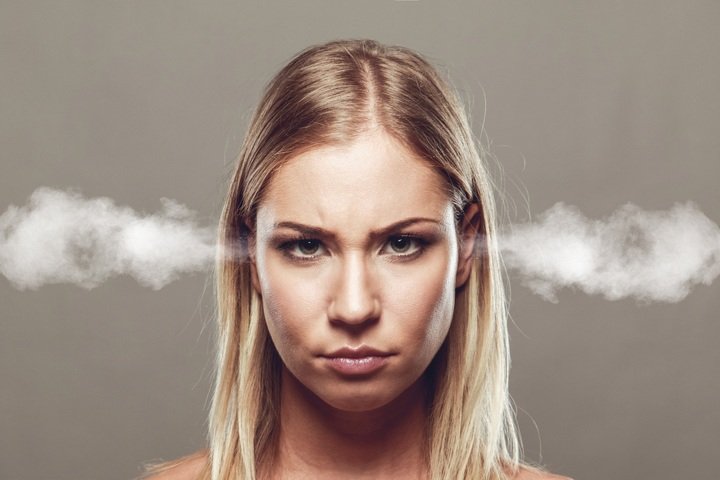
Short tempers, impatience, emotional reactivity, intolerance to frustration—these states are often dismissed as minor psychological issues or simple consequences of stress. Yet, from the perspective of traditional East Asian medicine and Shiatsu, irritability is never trivial. It is a signal: the expression of an inner imbalance asking to be understood.
At the Balkans Shiatsu Summit, irritability will be explored not as a character flaw, but as a language of the body–mind, revealing deep energetic, emotional, and relational dynamics.
Understanding Irritability Beyond the Surface
Irritability is rarely a standalone phenomenon. It often masks deeper processes:
- accumulated tension in the nervous system
- blocked or constrained Qi
- unresolved emotional pressure
- chronic overstimulation without adequate recovery
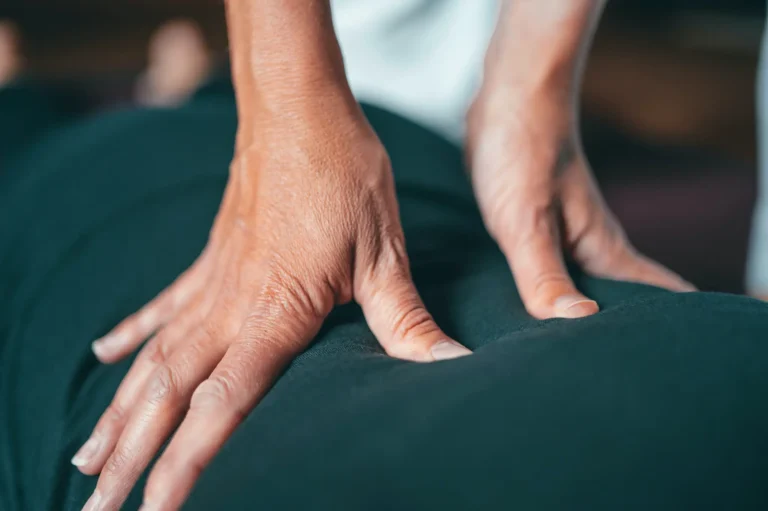
In Traditional Chinese Medicine (TCM), irritability is frequently associated with Qi stagnation, especially involving the Liver system, but it can also reflect disharmonies of the Heart, Spleen, or even deeper constitutional patterns. Shiatsu, rooted in this energetic understanding, allows us to feel these patterns directly through touch.
Rather than asking “What is wrong with this person?”, Shiatsu invites another question:
“Where is the movement blocked, and what is trying to move?”
Possible Causes of Irritability
While each individual expresses irritability differently, common contributing factors include:
- prolonged stress and emotional repression
- lack of rest, poor sleep, or irregular rhythms
- excessive mental activity and constant sensory input
- unresolved anger or frustration
- digestive weakness and depletion of vital resources
- disconnection from the body and breath
From an energetic point of view, irritability often arises when yang energy has no smooth pathway, creating internal pressure that eventually spills outward.
Consequences on Body, Mind, and Relationships
When irritability becomes chronic, its effects extend far beyond mood:
- muscular tension and pain (neck, shoulders, jaw, back)
- headaches and migraines
- digestive disturbances
- sleep disorders
- emotional volatility or withdrawal
- strained personal and professional relationships
Left unaddressed, irritability can gradually erode vitality, clarity, and empathy—both for oneself and for others.
Why Shiatsu Offers a Unique Response
Shiatsu does not aim to suppress irritability.
It aims to restore circulation, listening, and regulation.
Through precise, respectful touch, Shiatsu:
- supports the free flow of Qi
- calms the nervous system
- reconnects sensation and awareness
- helps emotions settle without being forced
- allows deeper patterns to surface safely
For practitioners, working with irritability is a powerful training ground: it sharpens perception, deepens empathy, and refines therapeutic presence.
Learning, Experiencing, and Transforming at the Balkans Shiatsu Summit
The Balkans Shiatsu Summit is more than a congress—it is a living laboratory.
By exploring irritability together, through lectures, practical workshops, and embodied experience, participants will gain:
- a clearer understanding of irritability from an energetic and clinical perspective
- concrete Shiatsu approaches to support clients dealing with tension and reactivity
- deeper insight into their own patterns as practitioners and human beings
- renewed inspiration for therapeutic practice
In a world increasingly marked by tension and emotional overload, learning how to meet irritability with skill, presence, and compassion is no longer optional—it is essential.
We invite you to join us in the Balkans to explore this vital theme, refine your practice, and rediscover Shiatsu as a path of balance, awareness, and transformation.